
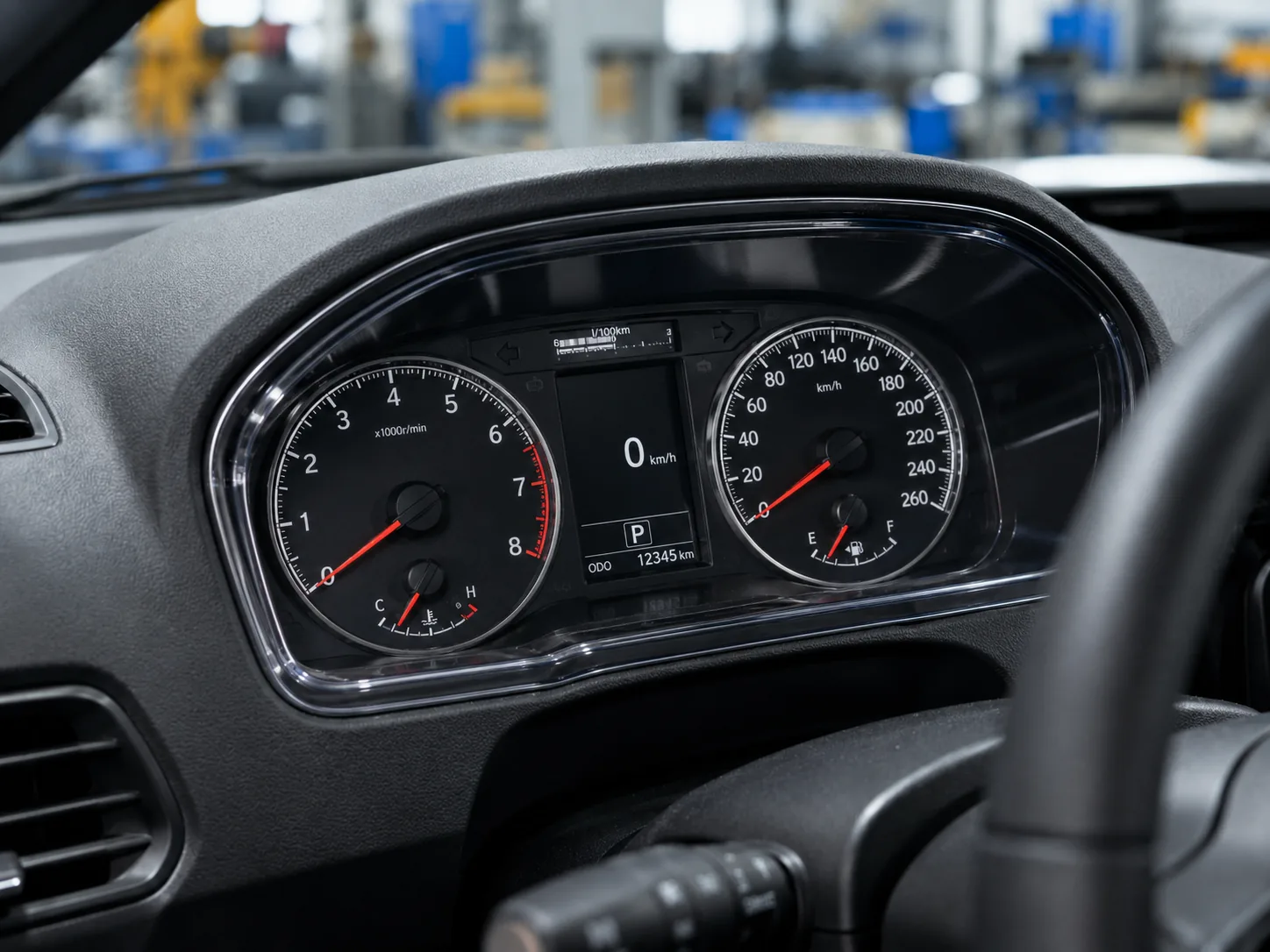
Typical Application Parts
Transparent parts in automotive and aerospace projects are usually not disposable packaging; they face repeated clamping, handling, wiping and station impact. Clearastatic reviews toughness, visual clarity, static adhesion, structural radii and mold trial fit together to reduce repeated rework costs for fixtures and protective parts.
- Clear assembly fixtures, positioning fixtures and inspection windows
- Aerospace part handling covers and transport protection covers
- Clear workshop equipment door panels, guards and windows
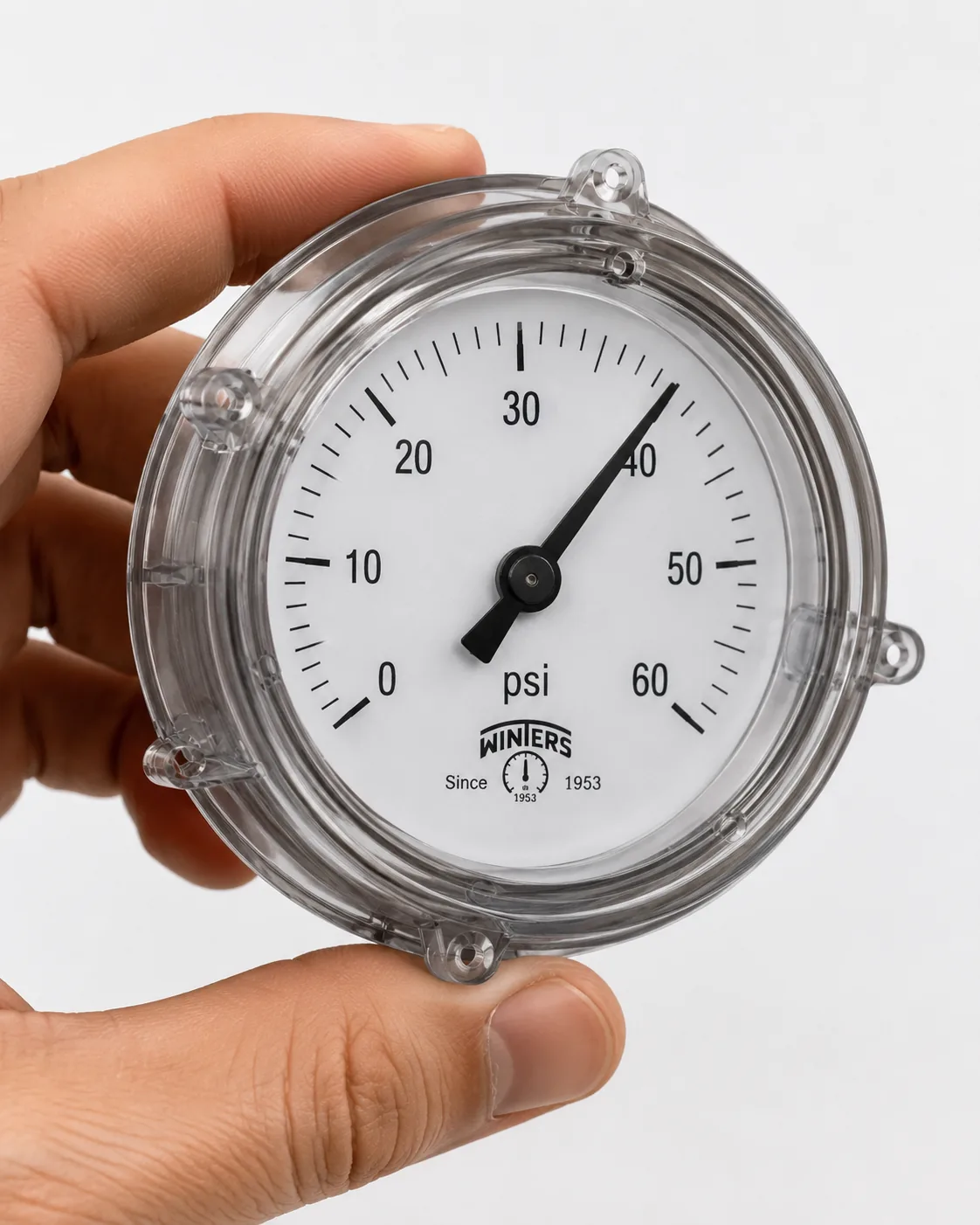
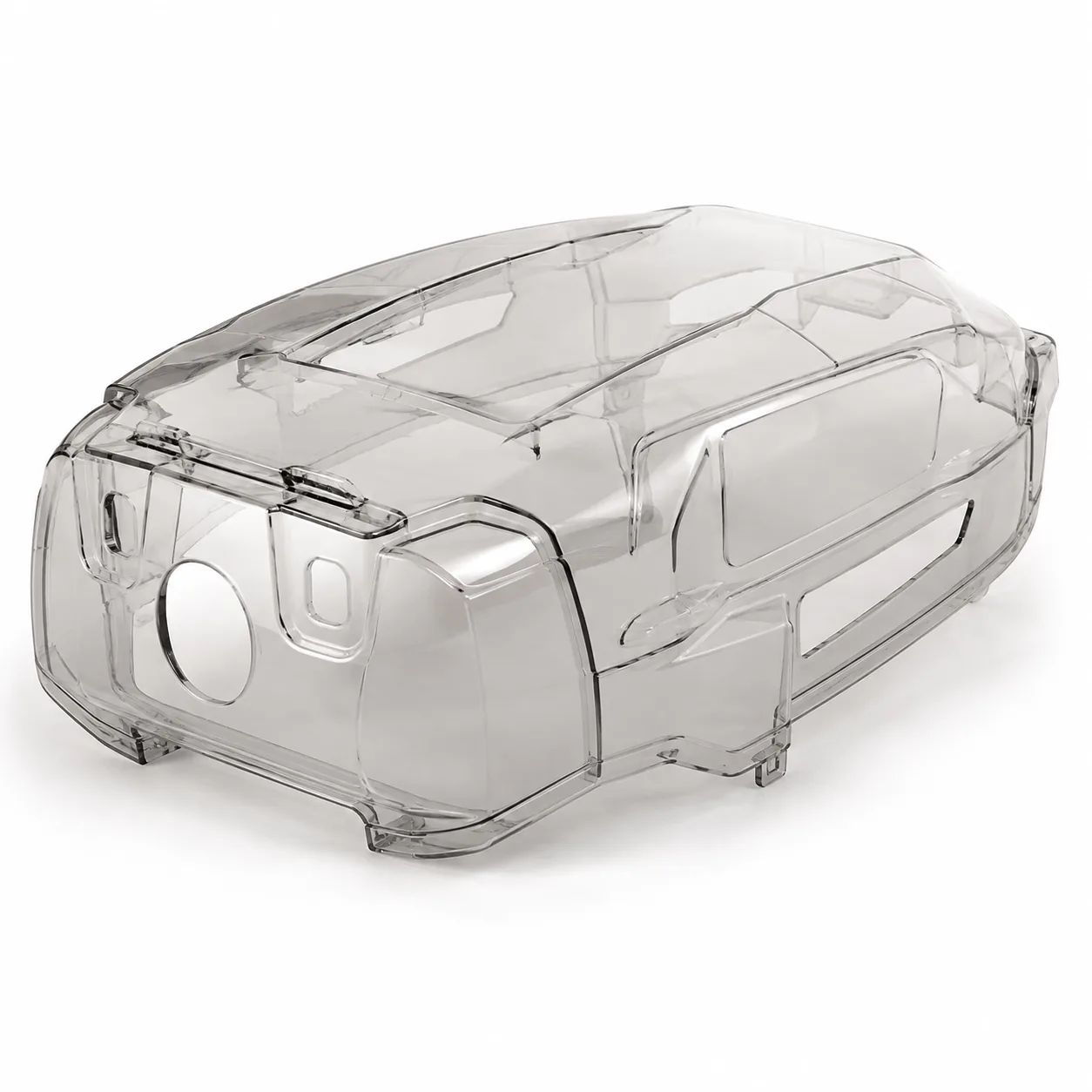
Industry Requirements
Automotive and aerospace projects should confirm use strength first
Transparent antistatic materials for assembly, inspection and handling must address not only material data but also structural loading and batch consistency.
| Industry Requirements | Current Pain Points | Clearastatic Matching Solution |
|---|---|---|
| Assembly reliability | Positioning fixtures, windows and protective parts are repeatedly installed and removed, so dimensional variation can affect station takt time. | Review material, wall thickness, clips, locating boundaries and tooling DFM together. |
| Impact and handling | Handling, transport, stacking and station collision can crack or whiten transparent parts. | Prioritize tougher clear material routes and structural radii instead of chasing clarity alone. |
| Cleaning and wiping | Oil stains, cleaners and repeated wiping can affect the surface condition of transparent parts. | Confirm material tolerance limits and appearance control points based on the customer's cleaning method. |
| Batch consistency | Fixtures and protective parts are often reordered, so color, clarity and dimensions must not vary greatly between batches. | Trial-batch material, mold trial parts and production windows are locked step by step, with material and process records retained. |
Performance Metrics
Performance Advantages
The seven performance points most often needed early in automotive transparent antistatic projects are shown together so purchasing, R&D and tooling teams can align quickly.

90%
Clarity
Suitable for automotive transparent covers, observation windows and guards that need visual confirmation.

109
Antistatic Level
Controls static adhesion at the 10⁹ Ω surface-resistance level to reduce dust attraction and ESD risk.

5.3KJ/㎡
Impact Strength
Used to evaluate impact resistance during assembly, handling and station collision scenarios.
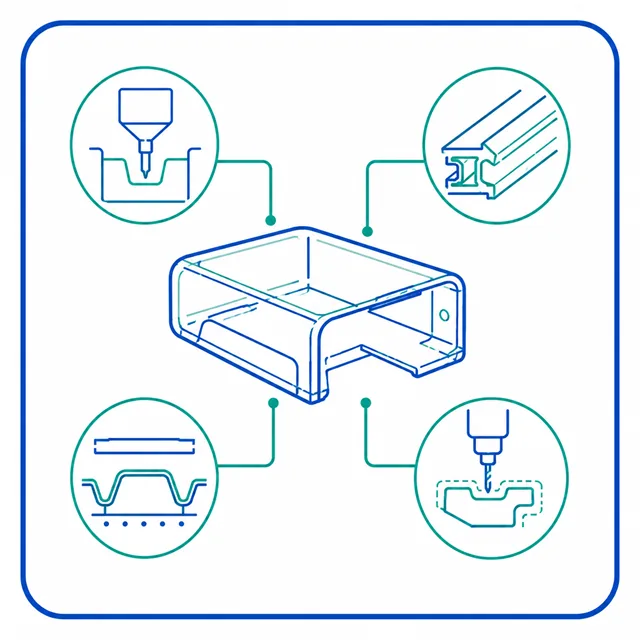
9.3g/10min
Melt Index
Used to judge processing window and flow stability during automotive transparent-part molding trials.

59.4MPa
Tensile Strength
Tensile method: 50 mm/min, GB/T1040-2006.
Scratch
Scratch Resistance
Supports frequent touching, wiping and assembly use while reducing visible surface-scratch risk.
No Fog
No Fogging After Washing
Maintains clear observation after washing and reduces haze or whitening that affects appearance and identification.
Customization is available for fixture structure, impact strength, clear observation, cleaning/wiping and batch consistency.
Structural load metrics
- Notched Impact
- Wall thickness and radii
- Positioning dimensions
- Assembly feedback
Fixture validation path
- Sample testing
- Trial-batch production
- Mold trial assembly
- Station feedback
Engineering Deliverables
- Material Recommendation
- Structural Risks
- DFM Points
- Mold Trial Records
Batch control coordination
- Materials Engineer
- Tooling Engineer
- Trial-production engineer
- Quality Inspection
Quotation Plan
Transparent Antistatic Material Quotation Plan
Automotive and aerospace projects usually move from sample validation into fixture trial production, then lock the production window by use frequency, impact requirement and clear appearance.
Free Samples
Used to test conductivity, clarity, haze and basic appearance during early transparent antistatic material selection.
Samples are freeTrial-batch Material
Trial-batch transparent antistatic material is CNY 65/kg. A 5 kg pack is available for mold trials, trial production and small-batch retesting.
CNY 65/kg, from 5 kgFinal Trial Formula
The final trial locks the exclusive formulation and confirms the production window by color, clarity, antistatic level, base resin and process.
about CNY 65-67/kgTooling Cost Consultation
Tooling cost is evaluated separately by part size, structure, cavities, polishing grade, trial requirements and delivery schedule.
Quoted by productFAQ
FAQ
Common evaluation questions about transparent fixtures, covers and handling parts.
Should an automotive instrument clear cover use ABS, PMMA or PC?
It depends on which performance requirement matters most.
Transparent antistatic ABS is better suited for instrument covers, display protectors and clear structural parts that need a balance of transparency, impact resistance and structural strength. Surface resistance can reach 10⁸-10¹⁰ Ω.
Transparent antistatic PMMA is better for clear appearance parts that need higher light transmission, surface hardness and scratch resistance. Surface resistance can reach 10⁹-10¹⁰ Ω.
If the project specifically requires PC, use clear PC with surface antistatic coating instead of trying to achieve transparent antistatic performance through intrinsic modification.
What surface resistance counts as long-term antistatic performance for automotive transparent parts?
For transparent automotive parts such as instrument covers and display protectors, long-term transparent antistatic solutions are mainly concentrated around 10⁸-10¹⁰ Ω.
- Transparent antistatic ABS: 10⁸-10¹⁰ Ω
- Transparent antistatic PMMA: 10⁹-10¹⁰ Ω
If the test result reaches 10¹¹ Ω, it is not recommended to treat it directly as a long-term stable antistatic grade.
For automotive transparent parts mainly intended to reduce dust attraction, it is usually unnecessary to chase a lower resistance blindly. Transparency, haze and appearance should be considered at the same time.
Will antistatic performance affect the transparency and haze of an automotive instrument cover?
Yes. Improving antistatic performance in transparent materials usually has some effect on light transmission, haze and surface appearance.
In general, the stronger the antistatic requirement, the larger the formulation adjustment, and the more obvious the possible effect on transparency.
When developing an automotive instrument cover, do not define only the resistance power. Confirm surface resistance, light transmission, haze, product thickness and final appearance requirements together.
For example, the same material can look noticeably different at 1 mm and 3 mm thickness, so the final judgment should be based on actual molded-part testing.
Will performance decline after long-term sunlight exposure or high temperature?
Aging validation is needed based on the real use environment.
Locations such as the dashboard or areas near the windshield are exposed to high temperature, sunlight and thermal cycling for long periods. A part passing immediately after molding does not mean it will keep the same performance after long-term use.
These projects usually need to validate:
- Surface-resistance change after high-temperature aging
- Color and transparency change after UV aging
- Dimensional stability after thermal cycling
- Haze and light-transmission change before and after aging
- Yellowing, cracking or gloss loss on the surface
If the product will stay in strong light for a long time, UV resistance and weatherability can be added according to project requirements.
Why do transparent antistatic instrument covers easily show flow marks, silver streaks or uneven haze?
Transparent parts are very sensitive to injection defects, and antistatic systems further increase the matching requirements between material and process.
Common causes include:
- High moisture content in the resin
- Unreasonable molding-temperature settings
- Excessive shear
- Long flow distance
- Large wall-thickness variation
- Unsuitable gate location
- Insufficient mold venting
- Insufficient mold-surface finish
- Uneven dispersion of antistatic components
Automotive transparent antistatic parts therefore cannot be solved only by asking whether the material can be injection molded. Material flowability, mold structure and injection parameters need to be adjusted together.
If the customer already has tooling, material adaptation and mold trial tuning can be based on the existing mold structure.
What should be tested in the first sample round for an automotive transparent antistatic project?
The first sample round should focus on six key items:
- 1. Surface resistance: confirm whether the actual molded part reaches the target antistatic level.
- 2. Light transmission and haze: test the actual product thickness instead of relying only on standard plaques.
- 3. Injection appearance: check flow marks, silver streaks, weld lines, black spots and local haze.
- 4. Dimensions and assembly: verify shrinkage, warpage, clips, locating dimensions and assembly gaps.
- 5. Heat resistance and thermal cycling: observe deformation, cracking or dimensional drift after temperature changes.
- 6. Antistatic stability after aging: compare surface-resistance changes before and after high temperature, UV or long-term use.
Confirming whether the material fits the product in the first round, then moving into tooling optimization, process tuning and final formulation locking, is more meaningful than judging from a raw-material report alone.