
Typical Application Parts
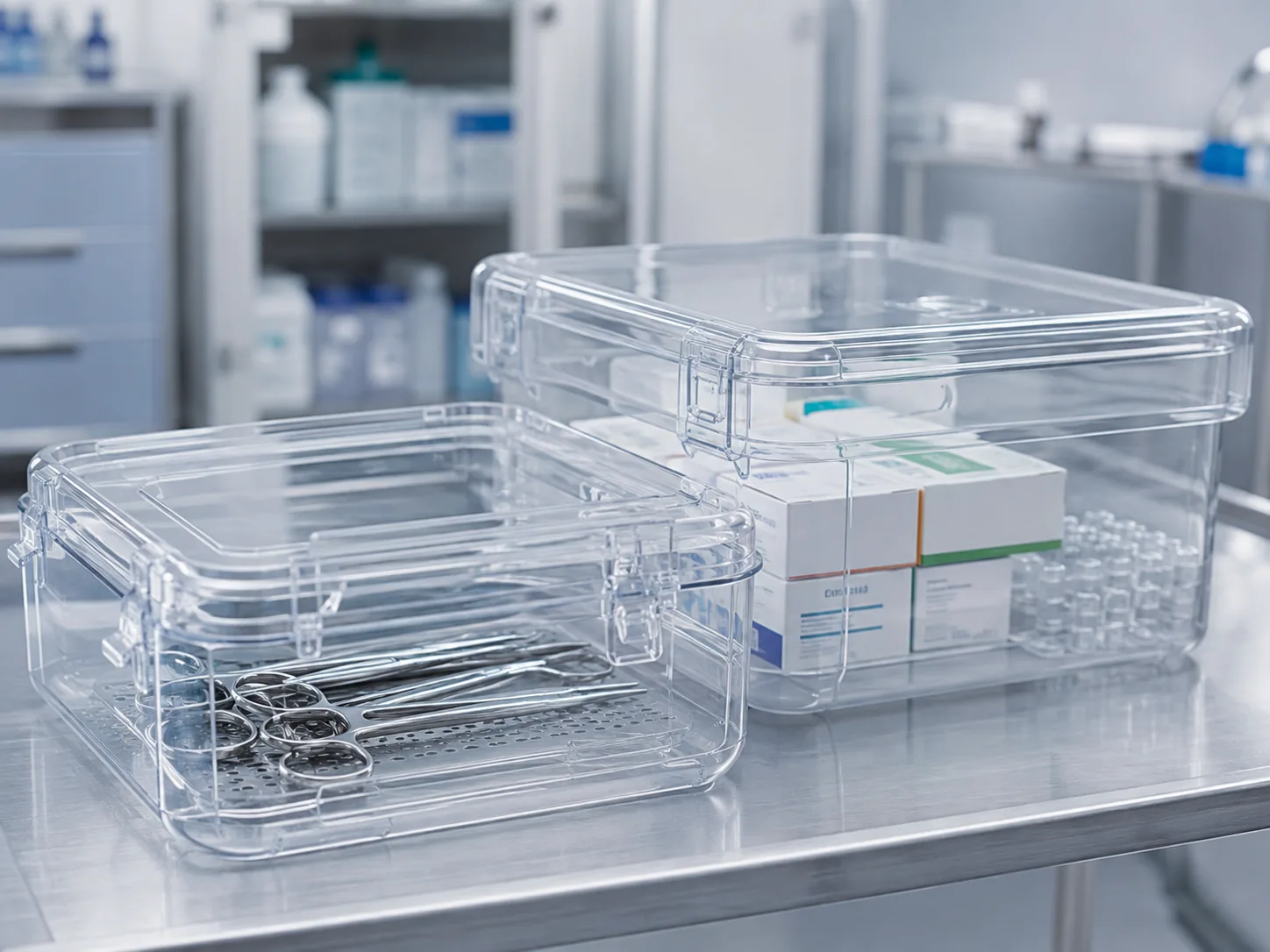
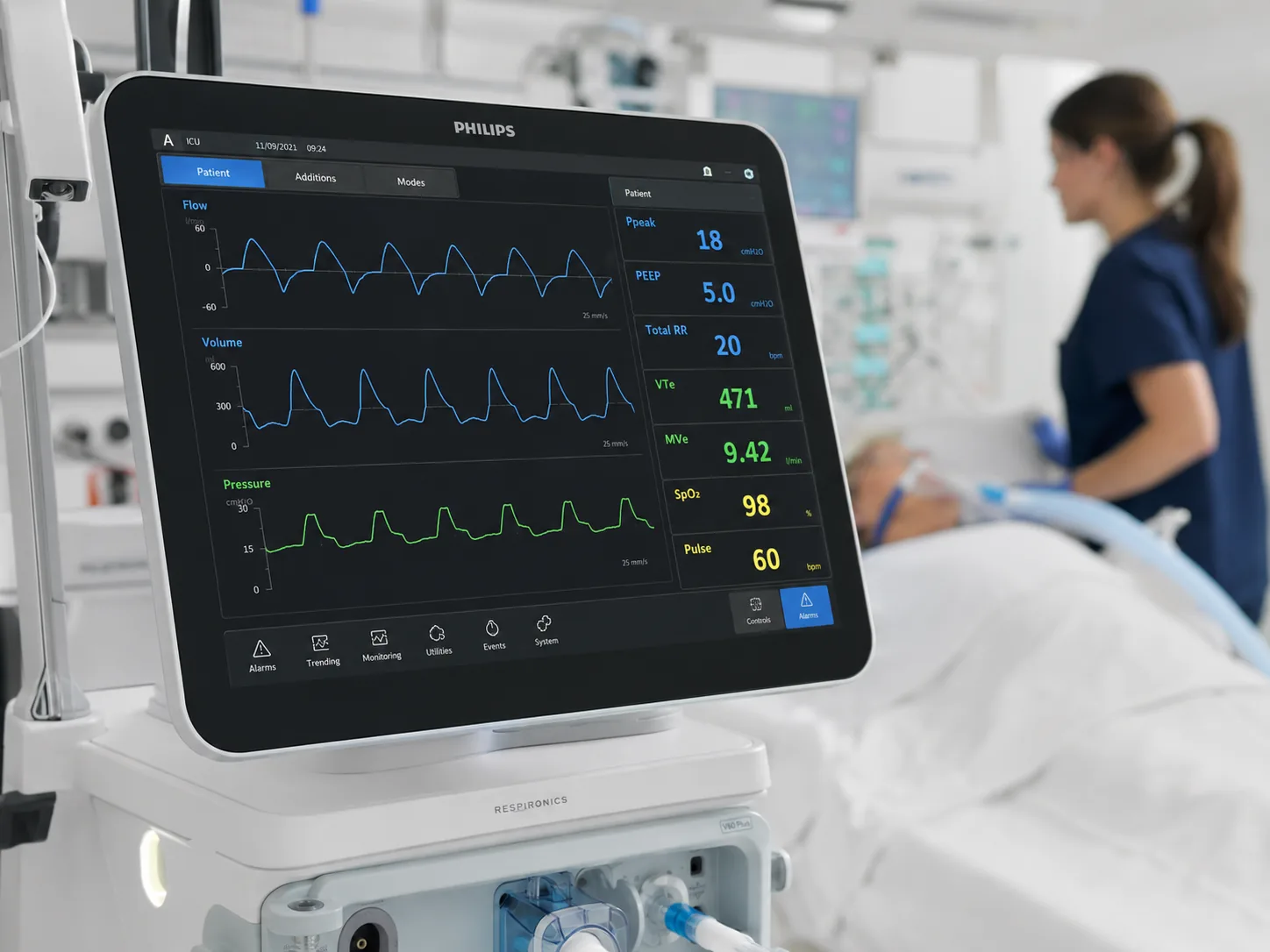
Transparent parts related to medical devices focus on clean appearance, observability, cleanability and batch consistency. Medical certification should be handled according to product use and regulatory requirements, while Clearastatic can support early manufacturability review with material samples, trial-batch material, mold trial parts and inspection records.
- Clear equipment housings, observation windows and clear door panels
- Clean handling boxes, clear protective covers and sample containers
- Lab-assist fixtures, inspection windows and clear dividers
Industry Requirements
Define validation boundaries first for medical-device-related parts
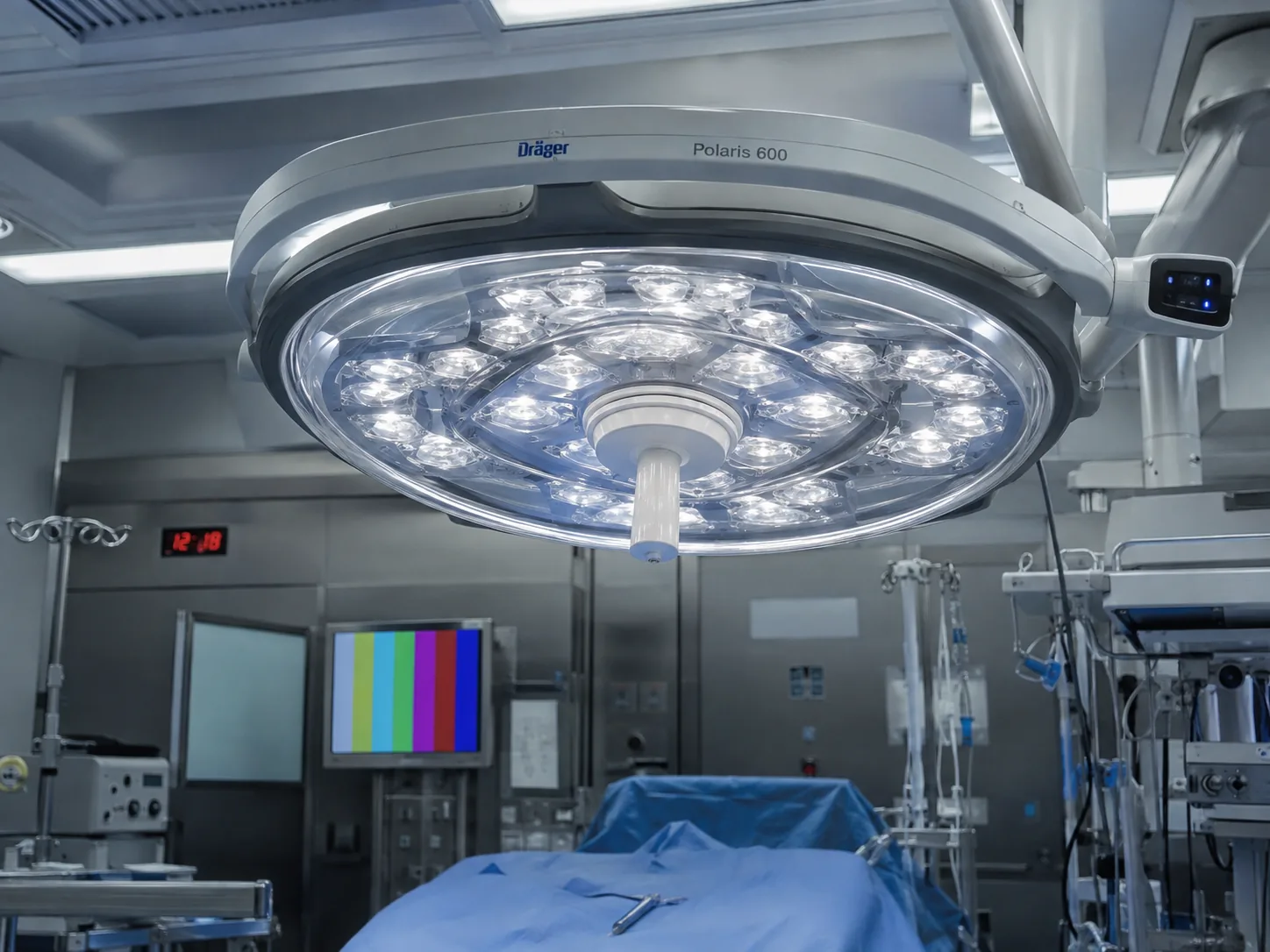
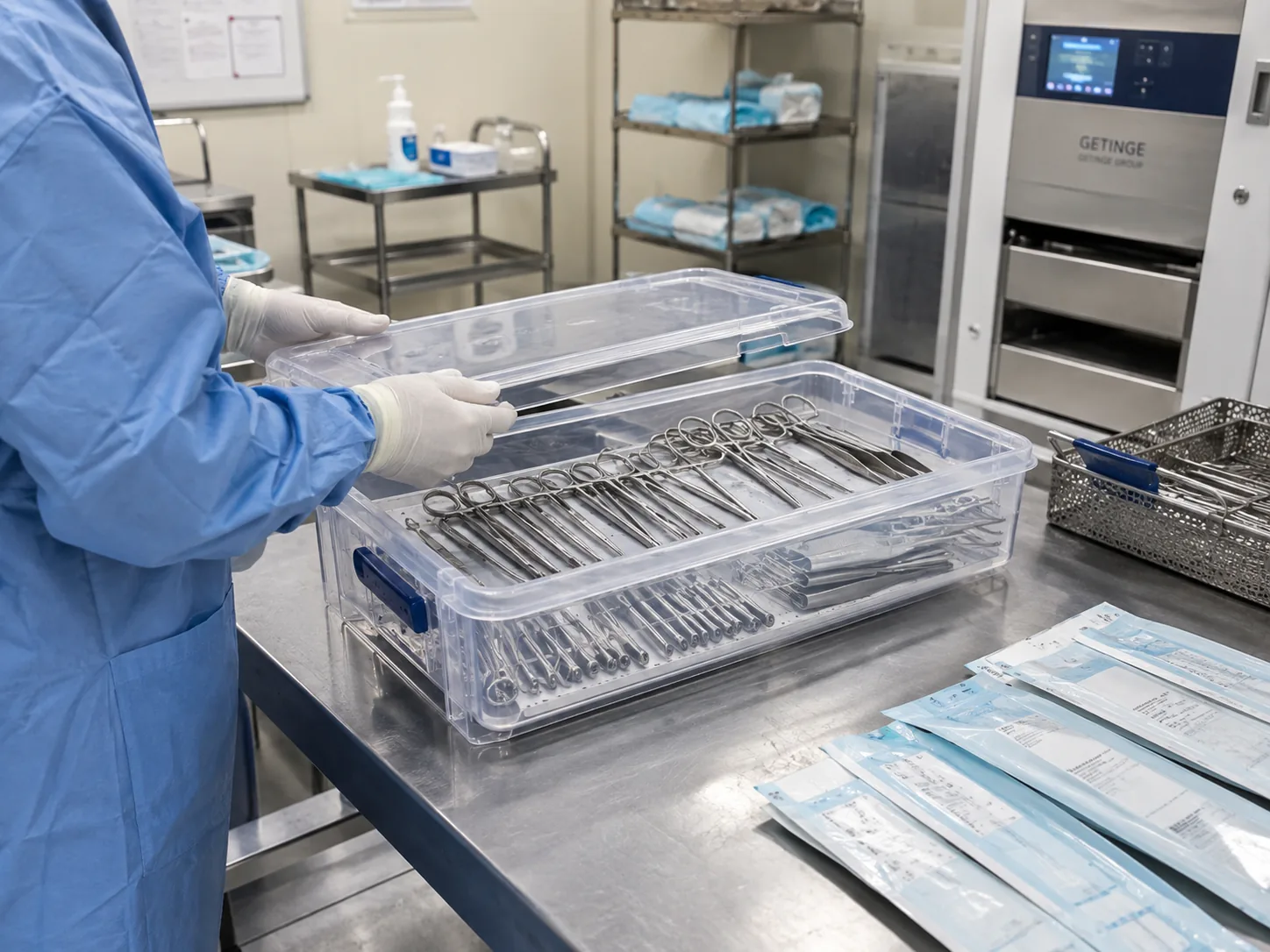
Transparent parts related to medical devices need material, appearance, cleaning method and molding-validation boundaries confirmed before sample and small-batch review.
| Industry Requirements | Current Pain Points | Clearastatic Matching Solution |
|---|---|---|
| Clean Appearance | Clear housings, windows and handling parts can look worse because of dust, scratching or whitening. | Screen materials by clarity, haze, surface resistance and wiped appearance together. |
| observation windows | Equipment status, liquid level, samples or internal structures need stable visual recognition. | Confirm the material route by window thickness, color, transmission and assembly method. |
| Cleaning and wiping | Cleaners, alcohol wiping or frequent touch may cause surface whitening and performance variation. | Evaluate material tolerance limits and surface stability against the customer's actual cleaning method. |
| Documentation support | Project review may require material information, test records and evidence for batch consistency. | Provide material recommendations, formulation limits, mold trial records and suggested batch inspection items. |
Performance Metrics
Performance Advantages
The five data points most often needed early in transparent antistatic projects are shown together so purchasing, R&D and tooling teams can align quickly.
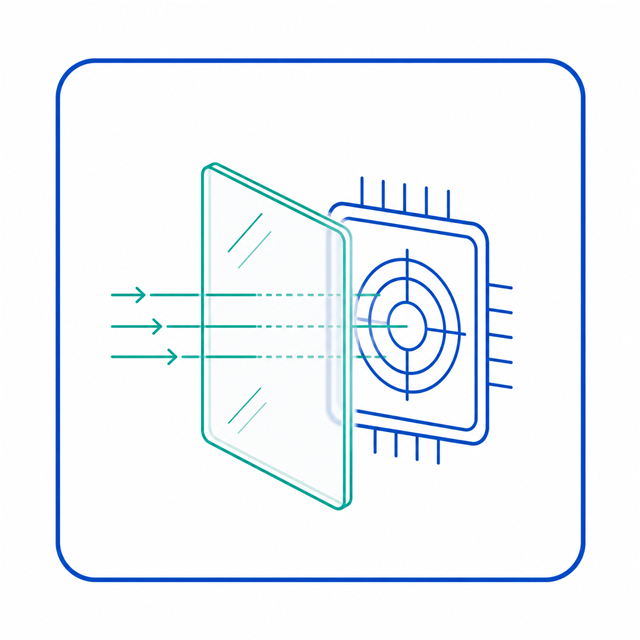
85%
Clarity
Suitable for windows, clear covers, label identification and visual confirmation of internal status.

108
Antistatic Level
Confirm the antistatic range by surface-resistance target to reduce static adhesion and ESD risk.
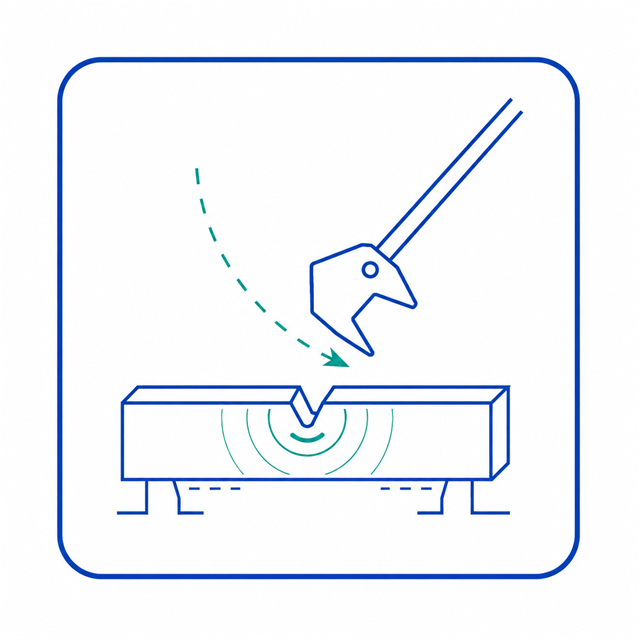
12.3KJ/㎡
Impact Strength
Used to evaluate impact resistance during handling, pick-and-place, assembly and equipment protection.
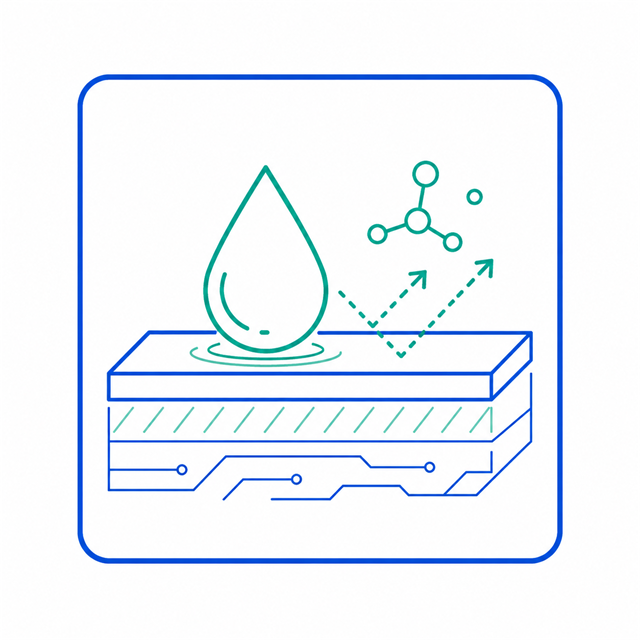
39MPa
Tensile Strength
Tensile method: 50 mm/min, GB/T1040-2006.
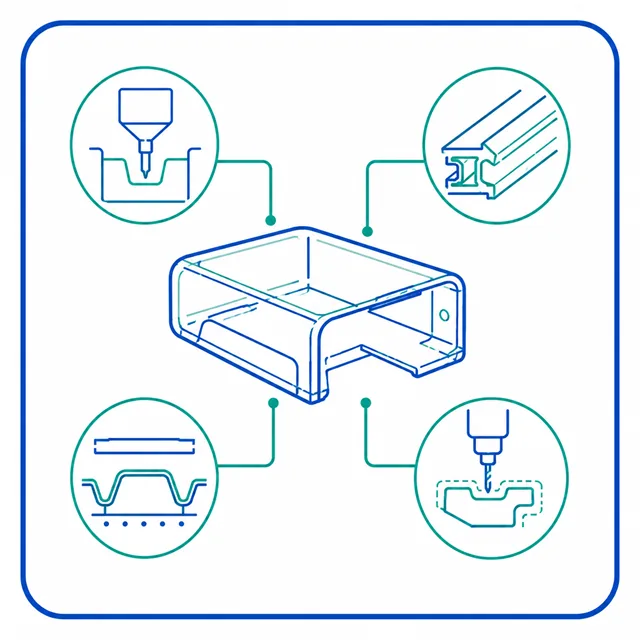
48g/10min
Melt Index
Used to judge processing windows for injection molding, extrusion, thermoforming and mold trial stages.
Customization is available for clean appearance, observation windows, cleaning/wiping, dimensional assembly and material records.
Clean appearance metrics
- Clarity / haze
- Appearance defects
- Surface Resistance
- Color samples
Cleaning validation path
- Sample testing
- Wiping evaluation
- Trial-batch retesting
- Molded-part inspection
Engineering Deliverables
- Material Recommendation
- Test records
- DFM Points
- Inspection recommendations
Documentation support coordination
- Materials Engineer
- Tooling Engineer
- Injection Molding Engineer
- Quality Records
Quotation Plan
Transparent Antistatic Material Quotation Plan
Transparent parts related to medical devices usually confirm clean appearance and stability step by step through samples, mold trial parts and batch inspection.
Free Samples
Used to test conductivity, clarity, haze and basic appearance during early transparent antistatic material selection.
Samples are freeTrial-batch Material
Trial-batch transparent antistatic material is CNY 45/kg. A 5 kg pack is available for mold trials, trial production and small-batch retesting.
CNY 45/kg, from 5 kgFinal Trial Formula
The final trial locks the exclusive formulation and confirms the production window by color, clarity, antistatic level, base resin and process.
about 45-CNY 48/kgTooling Cost Consultation
Tooling cost is evaluated separately by part size, structure, cavities, polishing grade, trial requirements and delivery schedule.
Quoted by productFAQ
FAQ
Common questions about medical-device-related transparent parts, clean handling and observation windows.
Should a medical equipment clear cover use ABS or PMMA?
If impact resistance and structural strength are needed, transparent antistatic ABS is preferred. Surface resistance can reach 10⁸-10¹⁰ Ω, but it is not suitable for long-term water immersion or high-humidity environments because fogging may occur after soaking.
If high transparency and scratch resistance are more important, transparent antistatic PMMA is preferred. Surface resistance can reach 10⁹-10¹⁰ Ω, but impact resistance is weaker.
Why do medical testing devices need transparent antistatic materials?
The main purpose is to reduce static dust attraction and surface contamination. For important precision instruments, it can also help prevent electrostatic breakdown of circuits. It is especially suitable for detector observation windows, display protectors and reagent-reading areas that need to remain clearly visible for a long time.
Will frequent alcohol wiping affect antistatic performance?
Intrinsic antistatic ABS and PMMA are more suitable for repeated cleaning than ordinary surface antistatic treatments, but formal projects should still validate using the actual alcohol concentration, wiping cycles and cleaner type.
Can it be used directly for reagent, sample or body-contact parts?
This cannot be decided only by the phrase “transparent antistatic”. For reagent contact, sample contact or body contact, chemical resistance, biocompatibility, extractables and relevant medical standards must be confirmed for the specific product before deciding.
Can it be used for high-temperature steam sterilization?
ABS and PMMA should not be assumed suitable for high-temperature steam sterilization. If the product requires high temperature, high pressure or a special sterilization method, the sterilization conditions should be defined first and the material solution reevaluated. Requirements for PC, PP, PE or other base resins should also be assessed by project.
What is most important to test during medical equipment sampling?
Prioritize surface resistance, light transmission, haze, alcohol/cleaner wiping, injection appearance and dimensional assembly. If reagents, samples or special sterilization requirements are involved, add the corresponding chemical-resistance and use-environment testing.