
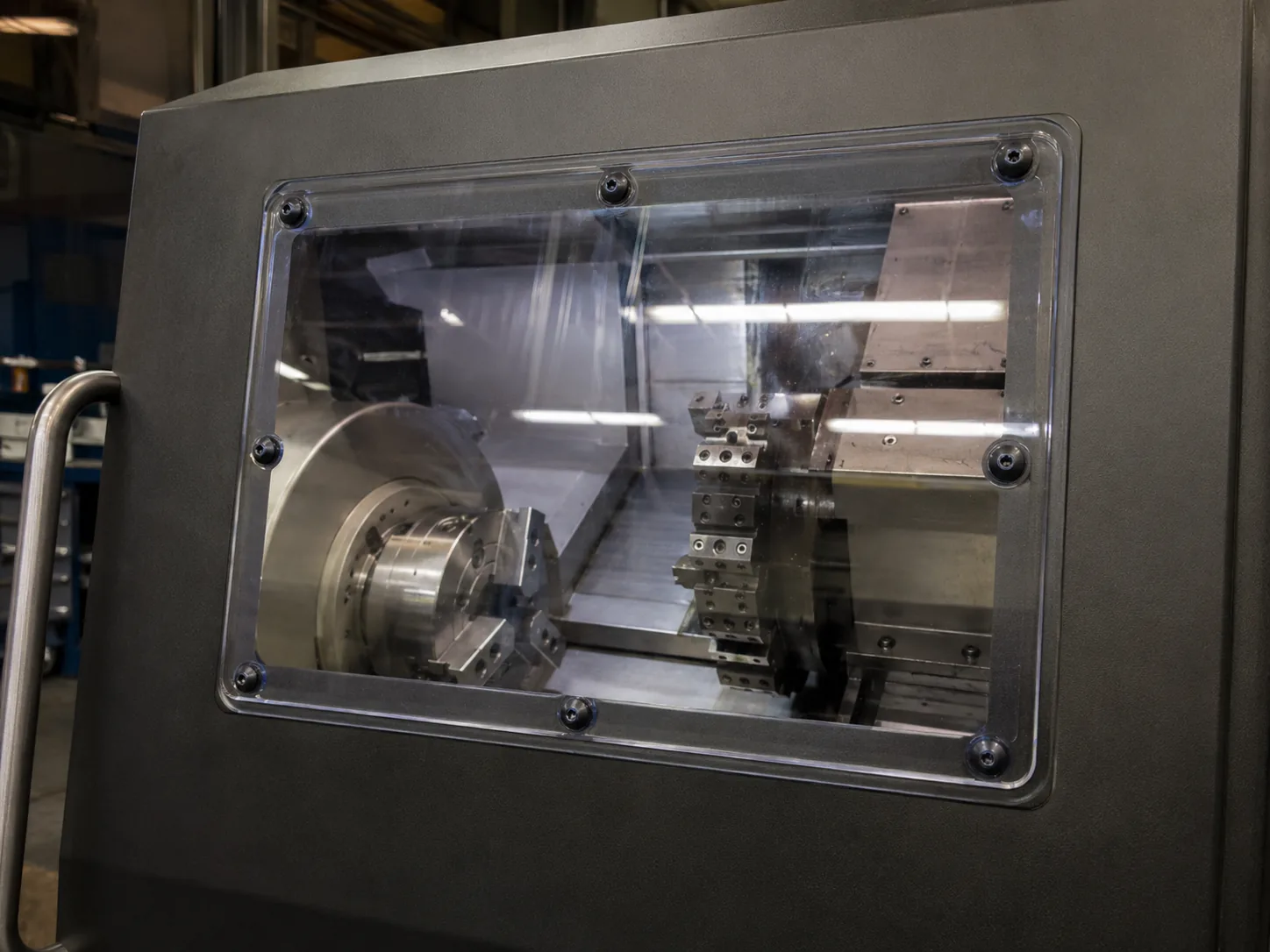

Typical Application Parts
Transparent parts in automation equipment must let operators see machine status while reducing dust adhesion, sensor misreads and material sticking during feeding. Clearastatic provides a validation route from material samples to production tooling around equipment space, window transmission, guide wear resistance, assembly boundaries and fast replacement.
- Equipment door panels, clear guards and windows
- Sensor windows, inspection covers and optical observation parts
- Feeding rails, sorting guides and handling containers
Industry Requirements
Automation equipment cares most about stable on-site operation
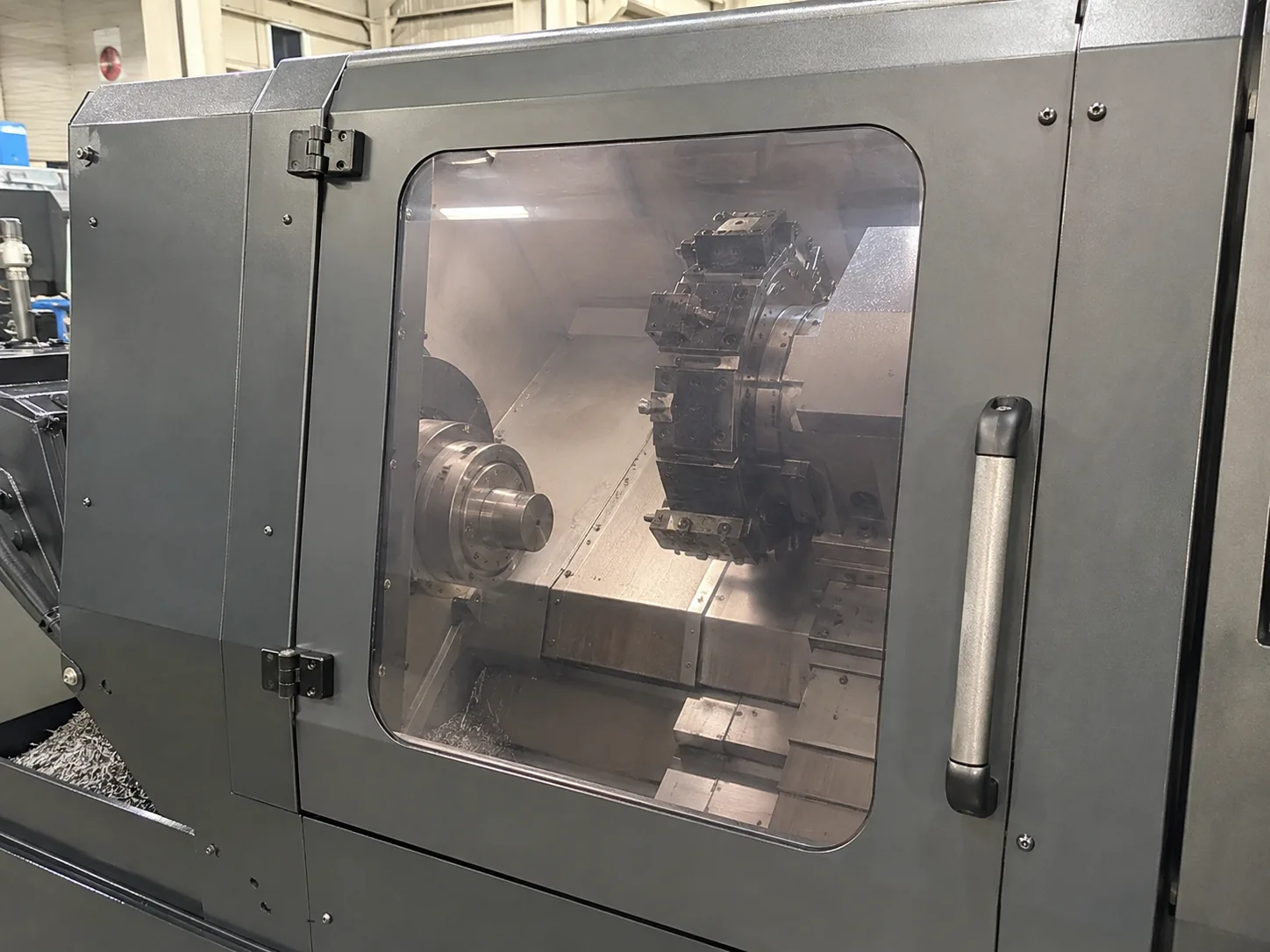
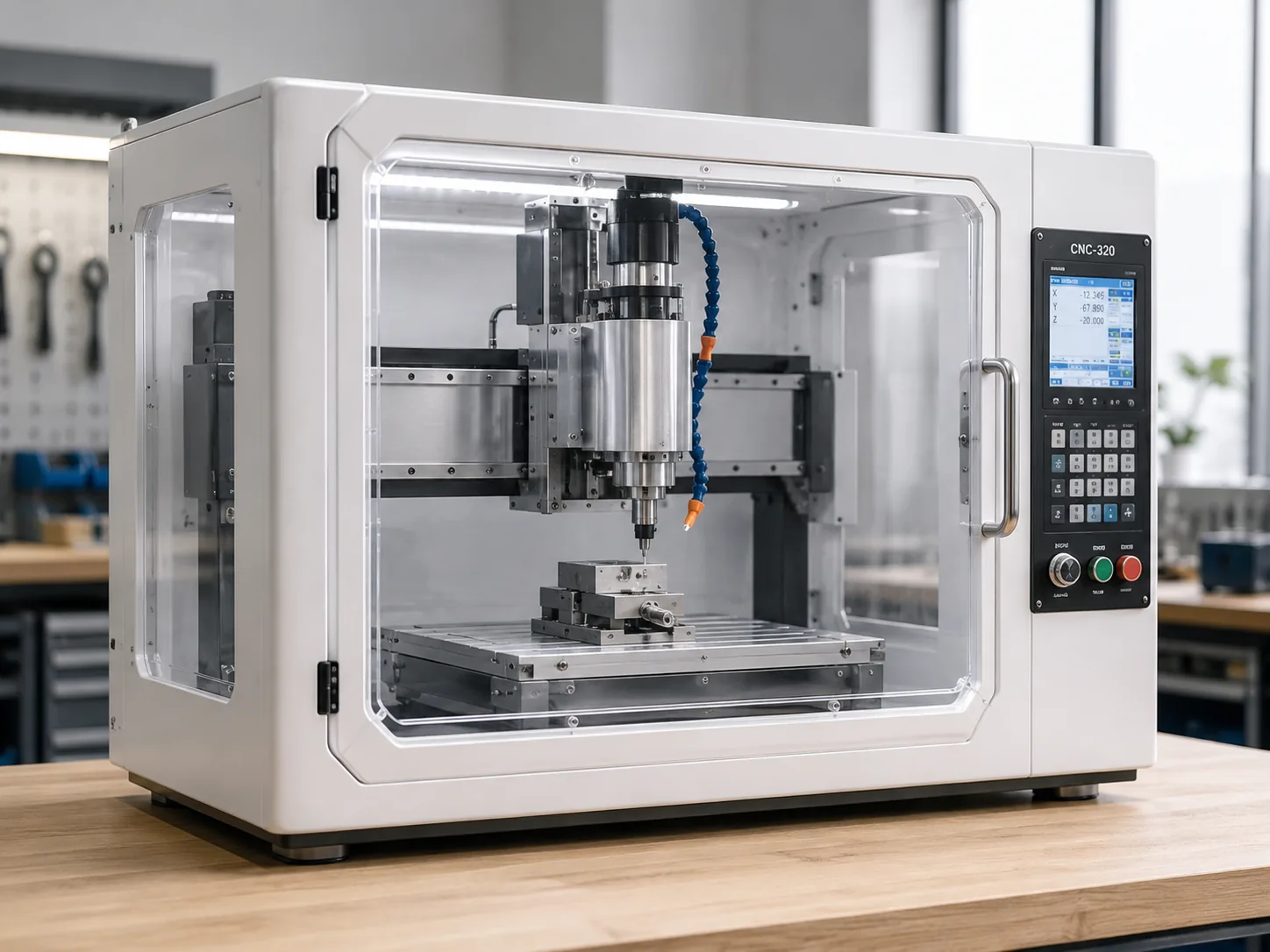
Industrial automation projects need separate review of machine guarding, sensor observation, feeding guides and maintenance replacement to meet continuous on-site operation requirements.
| Industry Requirements | Current Pain Points | Clearastatic Matching Solution |
|---|---|---|
| Equipment protection | Safety guarding needs clear visibility, but ordinary transparent parts can attract dust, scratch or deform during assembly. | Evaluate ESD-safe transparent guards, door panels and windows together with structural size and installation boundaries. |
| Sensor observation | Dust, haze, color and thickness can affect sensor recognition and manual observation. | Select material and molding method by the sensor window's transmission, color and thickness requirements. |
| Feeding guidance | Repeated material rubbing and static sticking can affect feeding, sorting and discharge stability. | Review antistatic range, wear-resistant surface, radii and guide structure to reduce jamming risk. |
| Maintenance replacement | Equipment parts need fast installation, replacement and wiping; dimensional error can affect downtime. | Evaluate clips, holes, boundaries and tooling plans from equipment drawings. |
Performance Metrics
Performance Advantages
The five data points most often needed early in transparent antistatic projects are shown together so purchasing, R&D and tooling teams can align quickly.

85%
Clarity
Suitable for windows, clear covers, label identification and visual confirmation of internal status.

108
Antistatic Level
Confirm the antistatic range by surface-resistance target to reduce static adhesion and ESD risk.
12.3KJ/㎡
Impact Strength
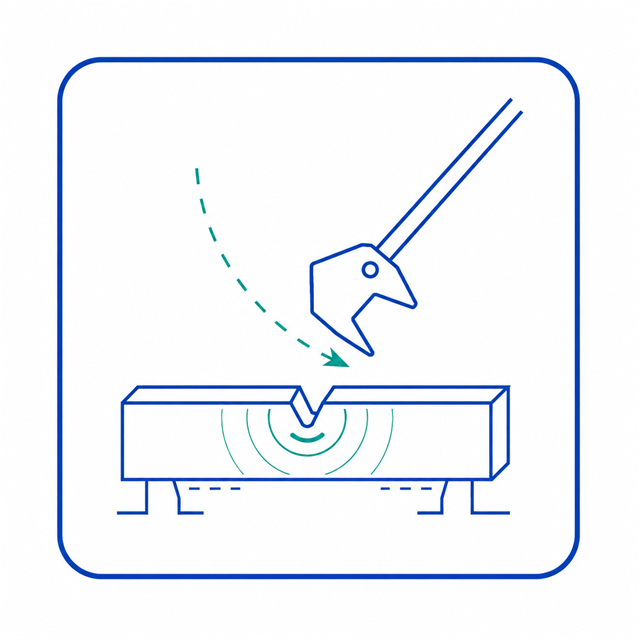
Used to evaluate impact resistance during handling, pick-and-place, assembly and equipment protection.

39MPa
Tensile Strength
Tensile method: 50 mm/min, GB/T1040-2006.
48g/10min
Melt Index
Used to judge processing windows for injection molding, extrusion, thermoforming and mold trial stages.
Customization is available for equipment space, sensor windows, dust resistance, feeding wear resistance and quick-install structures.
Equipment-side metrics
- Transmission / haze
- Surface Resistance
- Rubbing appearance
- Installation dimensions
Equipment validation path
- Sample testing
- On-site installation trial
- Sensor feedback
- Molding-trial retest
Engineering Deliverables
- Material Route
- Installation boundaries
- DFM Points
- Maintenance recommendations
On-site introduction coordination
- Materials Engineer
- Tooling Engineer
- Injection Molding Engineer
- Equipment feedback
Quotation Plan
Transparent Antistatic Material Quotation Plan
Industrial automation projects usually validate sample fit with equipment first, then use mold trials to confirm assembly boundaries, appearance and antistatic stability.
Free Samples
Used to test conductivity, clarity, haze and basic appearance during early transparent antistatic material selection.
Samples are freeTrial-batch Material
Trial-batch transparent antistatic material is CNY 45/kg. A 5 kg pack is available for mold trials, trial production and small-batch retesting.
CNY 45/kg, from 5 kgFinal Trial Formula
The final trial locks the exclusive formulation and confirms the production window by color, clarity, antistatic level, base resin and process.
about 45-CNY 48/kgTooling Cost Consultation
Tooling cost is evaluated separately by part size, structure, cavities, polishing grade, trial requirements and delivery schedule.
Quoted by productFAQ
FAQ
Common questions about equipment protection, sensor observation and automated handling parts.
Should an equipment observation window use anti-static clear plastic such as ABS, PMMA or PC?
If impact resistance and structural strength are required, transparent antistatic ABS can be used. Surface resistance can reach 10⁸-10¹⁰ Ω, but it may fog after water immersion or long-term high-humidity exposure.
If high transparency and scratch resistance matter more, transparent antistatic PMMA can be used. Surface resistance can reach 10⁹-10¹⁰ Ω, but impact resistance is weaker.
If PC is specified, use a clear PC + antistatic coating solution.
Why do machine-vision windows need ESD-safe transparent plastic?
The main purpose is to reduce static dust attraction. Dust attached to the window surface can affect the recognition stability of cameras, sensors and vision-inspection equipment.
Will static dissipative clear plastic affect machine-vision inspection?
It can have some effect. The key points are light transmission, haze and optical uniformity. Ordinary observation windows can usually be used directly, while high-precision vision or laser inspection should be validated on the actual machine.
Will frequent alcohol or cleaner wiping reduce antistatic performance?
Intrinsic antistatic ABS and PMMA are relatively more stable, and performance can be confirmed by retesting surface resistance after repeated wiping. For PC coating solutions, coating wipe resistance and adhesion need focused testing.
What material should be used for equipment with moisture, condensation or frequent washing?
Transparent antistatic ABS is not recommended as the first choice because fogging may occur after water exposure. These environments should prioritize PMMA or other more suitable clear solutions, while also considering impact requirements.
What is most important in the first sample round for automation equipment?
Prioritize surface resistance, light transmission, haze, injection appearance, dimensional assembly and actual equipment operation. If the part is used for machine vision, the final judgment should be based on actual recognition performance on the equipment.